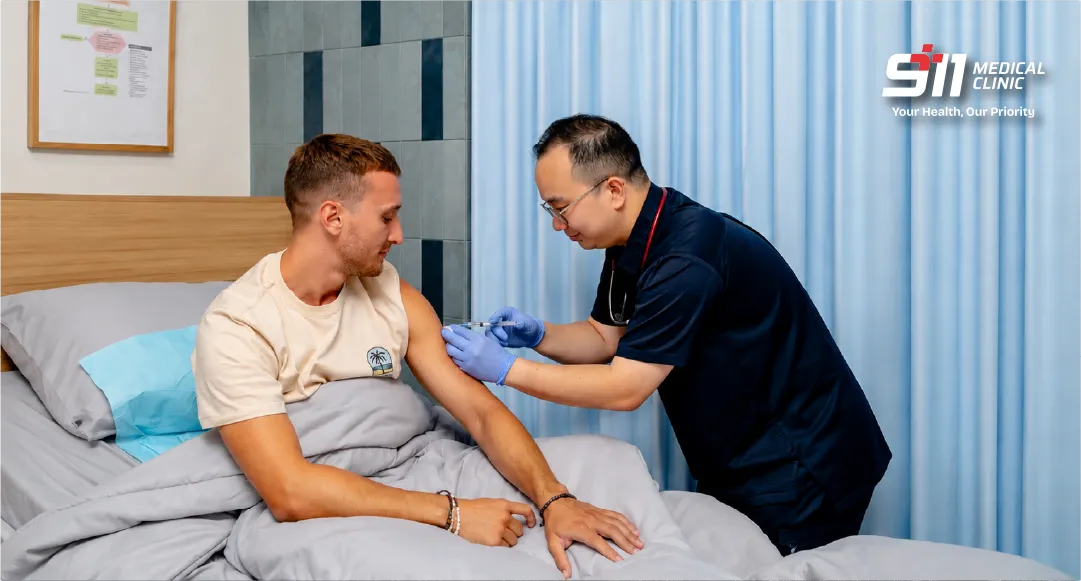
Workplaces in Bali are dynamic and diverse: cafés serving hundreds of customers daily, hotels welcoming international guests, beach clubs buzzing with activity, yoga studios offering wellness retreats, gyms pushing physical limits, and surfing schools teaching adventurous skills on the waves. Each of these environments carries unique risks. A sudden accident, injury, or medical emergency can …

Workplaces in Bali are dynamic and diverse: cafés serving hundreds of customers daily, hotels welcoming international guests, beach clubs buzzing with activity, yoga studios offering wellness retreats, gyms pushing physical limits, and surfing schools teaching adventurous skills on the waves. Each of these environments carries unique risks. A sudden accident, injury, or medical emergency can happen at any time. In such moments, First Aid Training (FAT) is not just beneficial, it is vital.
Why First Aid Training Matters
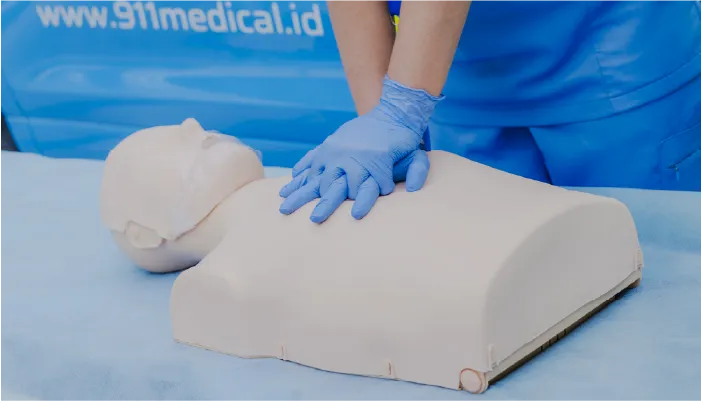
- Immediate response saves lives – In emergencies such as cardiac arrest, drowning, or choking, every second counts.
- Confidence under pressure – Trained staff act calmly and effectively, reducing panic among guests and colleagues.
- Professional image – Businesses that invest in safety training demonstrate responsibility and care, building trust with customers.
- Community safety – FAT empowers individuals to help not only at work but also in public spaces, contributing to a safer society.
Workplace Risks in Bali
- Cafés & Hotels – Burns from hot equipment, cuts from kitchen tools, allergic reactions to food, or sudden fainting among guests.
- Beach Clubs & Surf Schools – Risks of drowning, sprains or fractures from water activities, and heatstroke from prolonged sun exposure.
- Yoga Studios & Gyms – Muscle injuries during exercise, dehydration from intense activity, or sudden cardiac emergencies in participants.
FAT Equips Staff with Practical Skills
First Aid Training is more than theory, it provides hands-on, practical skills that prepare staff to act immediately and effectively. Participants learn:
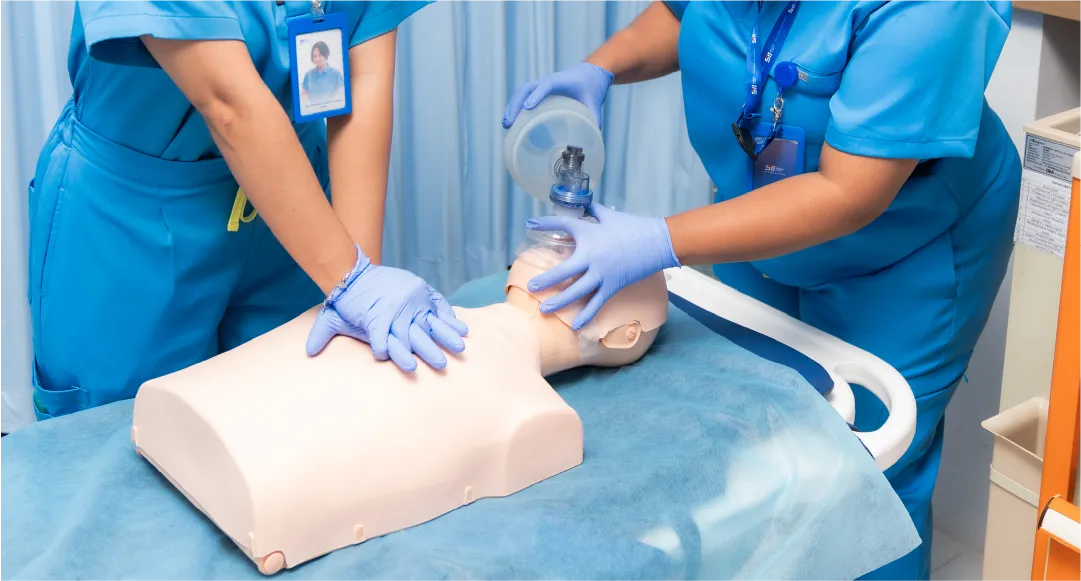
- Cardiopulmonary Resuscitation (CPR) – Essential for reviving individuals experiencing cardiac arrest.
- Wound care and bleeding control – Techniques to stop bleeding, clean wounds, and prevent infection.
- Choking response – How to perform abdominal thrusts or back blows to clear airways.
- Fracture and sprain management – Immobilizing injuries safely until professional care is available.
- Heatstroke and dehydration response – Recognizing symptoms and providing immediate cooling and hydration.
- Basic life support protocols – Coordinating with emergency services and stabilizing patients until advanced care arrives.
These skills are taught through simulations and real-life scenarios, ensuring staff are confident and capable when emergencies occur. FAT also emphasizes teamwork, communication, and quick decision-making, all critical in high-pressure situations.
Building Safer Workplaces and Communities
When staff are trained in first aid, workplaces become safer, more resilient, and better prepared. Guests feel reassured knowing that businesses prioritize their well-being. For communities like Bali, where tourism and hospitality are central, FAT contributes to a culture of safety that benefits everyone.
911 Medical Clinic’s Role
At 911 Medical Clinic Bali, we provide tailored FAT programs for hospitality, lifestyle, and recreational businesses. Our medical professionals deliver practical,
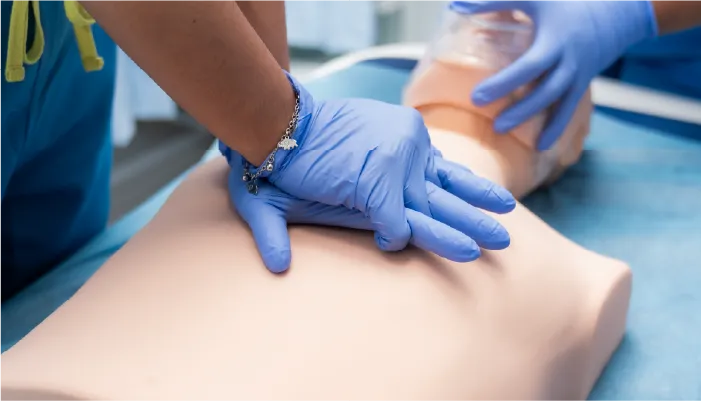
hands-on training designed for the unique challenges of Bali’s workplaces. Whether it’s a café, hotel, yoga studio, gym, or surf school, we ensure your team is ready to respond when seconds matter.
Contact 911 Medical Clinic today to schedule First Aid Training or request emergency support at your workplace: 085-195-911-911.