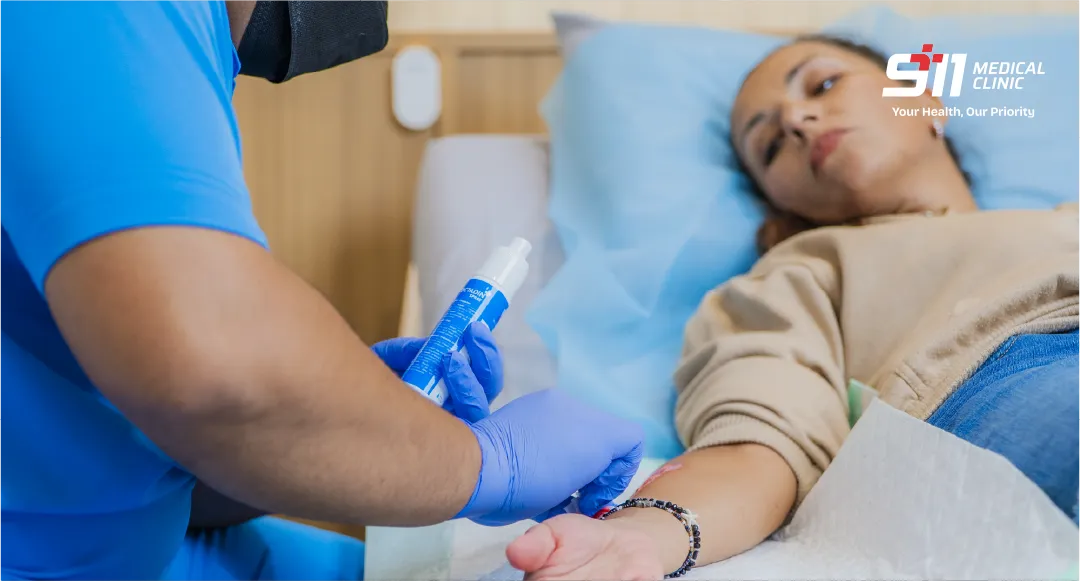
Why Dog Bites Require Immediate Attention in Bali Bali is home to many dogs, and travelers may encounter them around residential areas, beaches, restaurants, villas, and tourist destinations. Most encounters are harmless, but a bite or scratch can become a serious medical concern. If you experience a dog bite in Uluwatu or Pecatu, do not …

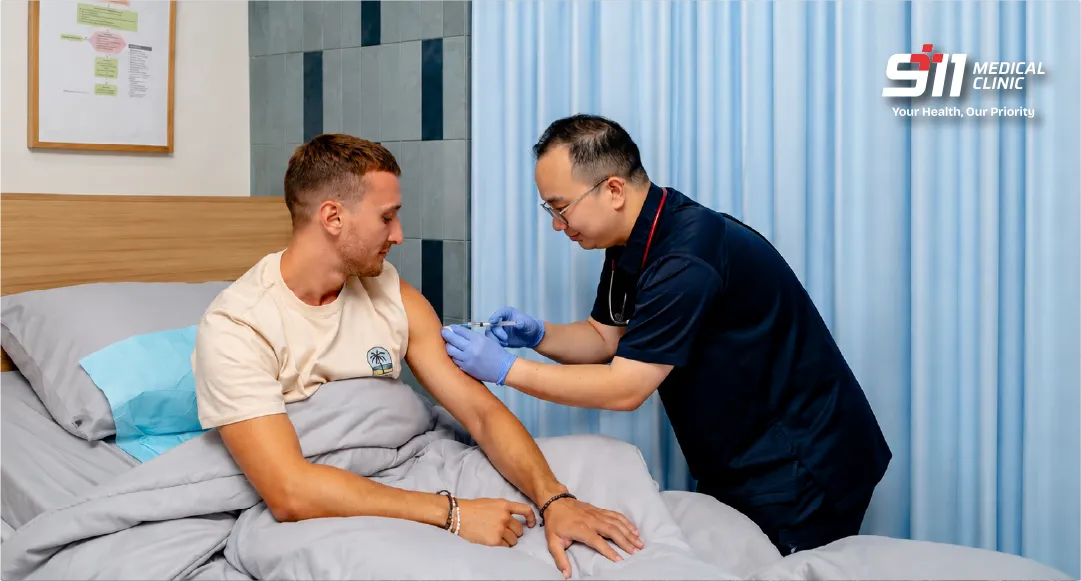
Why Dog Bites Require Immediate Attention in Bali
Bali is home to many dogs, and travelers may encounter them around residential areas, beaches, restaurants, villas, and tourist destinations. Most encounters are harmless, but a bite or scratch can become a serious medical concern.
If you experience a dog bite in Uluwatu or Pecatu, do not simply clean the wound and continue your holiday.
Rabies is a serious viral disease, and post-exposure treatment needs to be considered promptly after a potentially risky animal exposure. The World Health Organization states that rabies is preventable when appropriate post-exposure prophylaxis is given before symptoms develop.
For tourists who may not know the vaccination history of a dog, professional medical assessment is particularly important.
What to Do Immediately After a Dog Bite
Wash the Wound Thoroughly
Your first action should be wound cleaning.
WHO recommends immediately washing and flushing bite or scratch wounds with soap and water for approximately 15 minutes.
Do not wait until you reach a clinic before cleaning the wound.
Avoid Irritating the Wound
Do not apply substances such as chili, acids, plant juices, or other irritants. WHO specifically advises against these practices.
After cleaning, seek professional medical assessment.
Read More! 24/7 Clinic in Pecatu Providing Immediate Medical Care in Southern Bali
Why Rabies Assessment Matters
Rabies is preventable with timely post-exposure care, but once clinical symptoms develop, the disease is almost always fatal.
WHO recommends prompt post-exposure prophylaxis for appropriate Category II and Category III exposures. This can involve wound treatment, rabies vaccination, and rabies immunoglobulin when indicated.
The exact treatment depends on factors such as the type of exposure, location of the wound, animal involved, and previous vaccination history.
This is why you should not attempt to determine your own rabies risk based only on how the animal looked.
What If the Dog Looks Healthy?
A common mistake is assuming that a healthy-looking dog cannot present a rabies concern.
The animal’s appearance alone is not enough to determine whether medical evaluation is necessary. Information about the animal, the circumstances of the bite, vaccination status where known, and local epidemiological considerations may all be relevant.
WHO recommends seeking healthcare after a potentially risky bite or scratch and, when safely possible, obtaining information about the animal involved.
Rabies Vaccination After a Dog Bite
Post-Exposure Prophylaxis
Post-exposure prophylaxis, or PEP, is medical treatment designed to prevent rabies after exposure.
Depending on the exposure category, treatment can include rabies vaccination and, for certain severe exposures, rabies immunoglobulin or another recommended rabies antibody product.
A healthcare professional should assess whether these interventions are appropriate.
What About Tetanus?
Dog bites can also introduce bacteria into wounds. Depending on your vaccination history and the wound, a healthcare professional may recommend tetanus protection or other treatment.
WHO notes that tetanus vaccination should be considered when a person has not been adequately vaccinated.
Where to Seek Medical Care in Uluwatu and Pecatu
If you experience a dog bite in Uluwatu, finding a medical facility quickly is important.
911 Medical Clinic Bali in Pecatu provides medical assessment for injuries and urgent health concerns. The clinic can evaluate the wound and determine the appropriate next step, including whether rabies vaccination or further treatment is required.
For travelers unfamiliar with Bali’s healthcare system, having access to an English-speaking medical team can also make the process easier.
What Information Should You Bring?
If possible, remember:
- Where the bite occurred
- Date and time of the incident
- Whether the animal was a dog, cat, monkey, or other animal
- Whether the wound broke the skin
- Whether there was bleeding
- Whether the animal is known and can be safely identified
- Your previous rabies vaccination history, if any
- Your tetanus vaccination history, if known
Do not delay treatment while trying to collect every detail.
How to Reduce the Risk of Dog Bites
Prevention is easier than treatment.
Avoid approaching unfamiliar dogs, especially animals that are eating, sleeping, injured, or behaving unusually. Do not attempt to pet or feed unfamiliar animals simply because they appear friendly.
Parents should also supervise children around unfamiliar dogs.
For travelers staying around Uluwatu, Pecatu, and nearby beach communities, basic awareness can reduce the likelihood of an unwanted animal encounter.
Visit 911 Medical Clinic Bali
If you have experienced a dog bite in Uluwatu or Pecatu, seek professional medical assessment promptly.
Jl. Pantai Bingin No.10, Pecatu, Kec. Kuta Sel., Kabupaten Badung, Bali
085 195 911 911
The clinic provides medical support for travelers and residents in southern Bali.
Reference Links
Book a Consultation
It’s easy and free!

dr. Irene Nadia
Dedicated experienced General Practitioner with a strong background as a general practitioner for 7 years for local and international patient. Skilled in delivering comprehensive medical care, managing cases, and ensuring the well-being of patients with a focus on collaboration, support, and mutual respect to achieve high-quality patient-centered goals.