Why Severe Infection Should Never Be Ignored An infection can begin with symptoms that seem manageable: a fever, wound, cough, urinary symptoms, or stomach illness. But in some cases, an infection can trigger an extreme response from the body known as sepsis. According to the CDC, sepsis is the body's extreme response to an infection …

Why Severe Infection Should Never Be Ignored
An infection can begin with symptoms that seem manageable: a fever, wound, cough, urinary symptoms, or stomach illness. But in some cases, an infection can trigger an extreme response from the body known as sepsis.
According to the CDC, sepsis is the body’s extreme response to an infection and is a life-threatening medical emergency. Without rapid treatment, it can lead to tissue damage, organ failure, and death.
For travelers and residents in Uluwatu and Pecatu, understanding the warning signs is important. A worsening infection should not simply be treated as something that will eventually disappear.
What Is Sepsis?
Sepsis Is More Than an Infection
An infection occurs when harmful microorganisms enter the body and multiply. Sepsis happens when the body’s response to an infection becomes extreme and begins causing damage to its own tissues and organs.
According to WHO, sepsis can lead to shock, multiple organ failure, and death, particularly when it is not recognized and treated promptly.
Almost any infection can potentially lead to sepsis, although infections commonly begin in areas such as the lungs, urinary tract, skin, or gastrointestinal system.
Warning Signs of Sepsis
Fever or Feeling Very Cold
A person with sepsis may develop a fever, shivering, or an unusually low body temperature.
Rapid Heart Rate or Breathing
Fast breathing, a high heart rate, or difficulty breathing can be warning signs.
Confusion or Disorientation
Changes in mental status are particularly concerning. Someone who suddenly becomes confused, unusually sleepy, or difficult to wake should receive urgent medical assessment.
Extreme Pain or Discomfort
Severe or unusual pain may accompany serious infection.
WHO also identifies signs such as clammy skin, low blood pressure, weak pulse, and reduced urine output as possible features of sepsis.
How Infections Can Become Serious
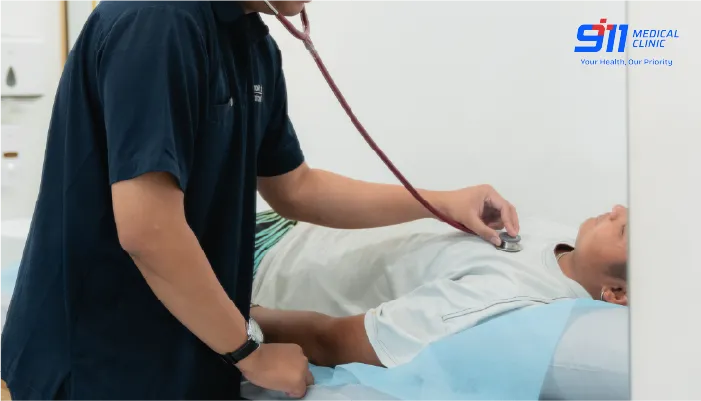
A small wound may become infected. A urinary infection may worsen. A respiratory infection may progress. Gastrointestinal infections can also become serious, particularly when accompanied by significant dehydration or systemic symptoms.
This does not mean every infection will develop into sepsis. Most infections do not.
The important point is to recognize when an illness is getting worse rather than better.
When Should You Seek Emergency Care?
Seek urgent medical attention when an infection is accompanied by:
- Confusion or disorientation
- Difficulty breathing
- Severe or rapidly worsening pain
- Very fast heart rate
- Fever with severe weakness or shaking
- Clammy or unusually sweaty skin
- Very low urine output
- Significant deterioration in overall condition
The CDC recommends immediate medical evaluation when sepsis is suspected.
Sepsis and Wounds in Uluwatu
Outdoor activities around Uluwatu and Pecatu can result in cuts, reef injuries, burns, and other wounds.
A wound that becomes increasingly red, swollen, painful, or associated with fever should be professionally assessed.
Good wound care is an important part of preventing infection. The CDC recommends keeping cuts and wounds clean and covered until healed as part of infection prevention.
Read More! Modern Wound Care at 911 Medical Clinic: First in Uluwatu and Pecatu
Why Early Medical Assessment Matters
Do Not Wait for Every Symptom to Appear
Sepsis can progress quickly. You do not need to wait until every warning sign appears before seeking medical help.
If an infection is worsening and you feel significantly unwell, medical assessment is appropriate.
Professional Assessment Can Identify Risk
Healthcare professionals can assess vital signs, examine the infection source, and determine whether diagnostic testing or additional treatment is required.
Depending on the clinical situation, treatment may involve fluids, antimicrobial therapy, monitoring, or referral to a hospital.
Emergency Medical Care in Pecatu
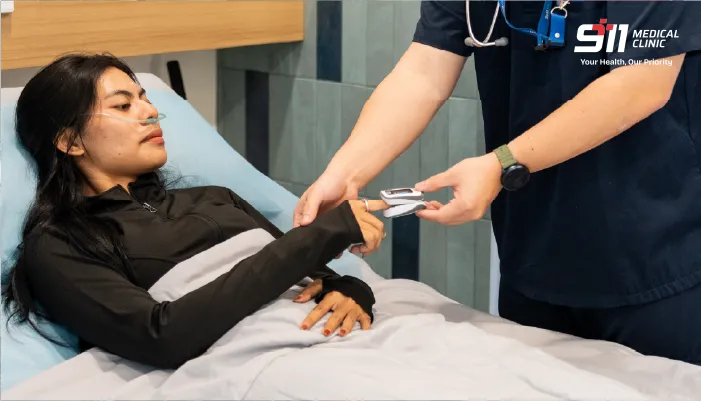
For residents and visitors in southern Bali, access to an emergency medical center in Uluwatu provides an important first point of medical evaluation.
911 Medical Clinic Bali is located in Pecatu and operates 24/7, allowing patients to seek medical attention outside standard clinic hours.
If the medical team determines that hospital-level care is necessary, appropriate referral or transfer can be considered based on the patient’s condition.
How to Reduce Infection Risk During Travel
Prevention starts with simple habits.
Clean wounds properly, wash your hands regularly, take care of existing medical conditions, and follow recommended vaccinations. The CDC identifies infection prevention, hygiene, awareness of symptoms, and acting quickly as important strategies for reducing sepsis risk.
Travelers should also avoid ignoring infections simply because they are on holiday.
Visit 911 Medical Clinic Bali

If you have a worsening infection or concerning symptoms in Uluwatu or Pecatu:
Jl. Pantai Bingin No.10, Pecatu, Kec. Kuta Sel., Kabupaten Badung, Bali
085 195 911 911
For suspected sepsis or another life-threatening emergency, seek emergency medical care immediately.
Reference Links