A blood test can provide important information about what is happening inside the body. Doctors may use laboratory testing to investigate symptoms, support a diagnosis, monitor an existing condition, or evaluate a patient's health. For travelers and residents staying around Pecatu and South Bali, knowing where laboratory testing is available can be useful when a …

A blood test can provide important information about what is happening inside the body. Doctors may use laboratory testing to investigate symptoms, support a diagnosis, monitor an existing condition, or evaluate a patient’s health.
For travelers and residents staying around Pecatu and South Bali, knowing where laboratory testing is available can be useful when a doctor recommends a blood test or when symptoms require further medical evaluation.
However, not every blood test requires the same preparation. Some tests may require fasting, while others do not. The preparation depends on the specific test ordered and the healthcare provider’s instructions.
Why Do Doctors Request Blood Tests?
Laboratory tests can provide information that cannot always be obtained through symptoms and physical examination alone.
The World Health Organization describes diagnostic services as essential for prevention, screening, diagnosis, case management, monitoring, and treatment. Laboratory tests such as blood and urine tests are examples of in-vitro diagnostics used in healthcare.
Depending on the patient’s symptoms and medical history, a doctor may recommend laboratory testing to help investigate issues such as:
- Signs of infection
- Changes in blood cells
- Blood glucose levels
- Cholesterol and lipid levels
- Kidney function
- Liver function
- Other conditions requiring laboratory evaluation
The exact tests should be determined by a healthcare professional based on the patient’s clinical situation.
Do You Need to Fast Before a Blood Test?
Not always.
One of the most common misconceptions about blood tests is that every test requires fasting.
According to MedlinePlus, most blood tests do not require special preparation. Some tests, however, may require fasting for several hours beforehand.
For tests that require fasting, the healthcare provider should tell you how long you need to fast and what you can consume during that period.
MedlinePlus notes that fasting commonly means avoiding food and drinks other than plain water for a specified period. Depending on the test, the fasting period may be around 8–12 hours.
Do not fast simply because you assume it is required.
If you are unsure, ask the provider or laboratory before your appointment.
What Should You Tell the Medical Team?
Before a blood test, tell your healthcare provider about:
- Prescription medicines
- Over-the-counter medicines
- Vitamins
- Supplements
- Existing medical conditions
- Allergies
- Previous relevant test results
Do not stop taking prescribed medication unless your healthcare provider specifically tells you to do so.
If you have been traveling, also mention relevant symptoms, recent activities, and other health concerns. This information may help the doctor decide which tests, if any, are appropriate.
What Happens During a Blood Test?
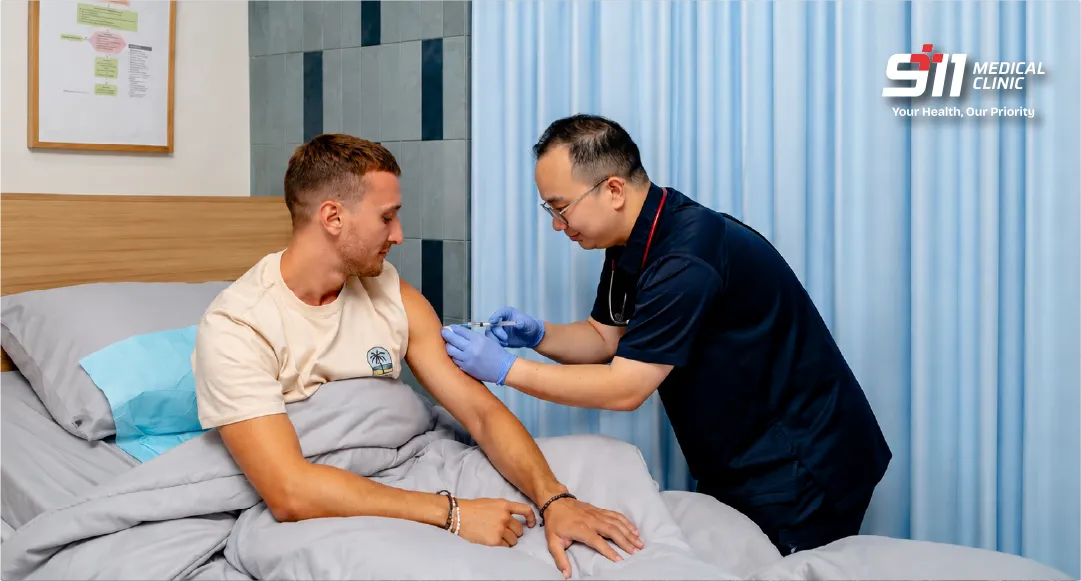
A standard blood test usually involves collecting a small blood sample, commonly from a vein in the arm.
You may feel a brief pinch when the needle enters the skin. Minor bruising or soreness at the collection site can sometimes occur, but these effects are generally temporary.
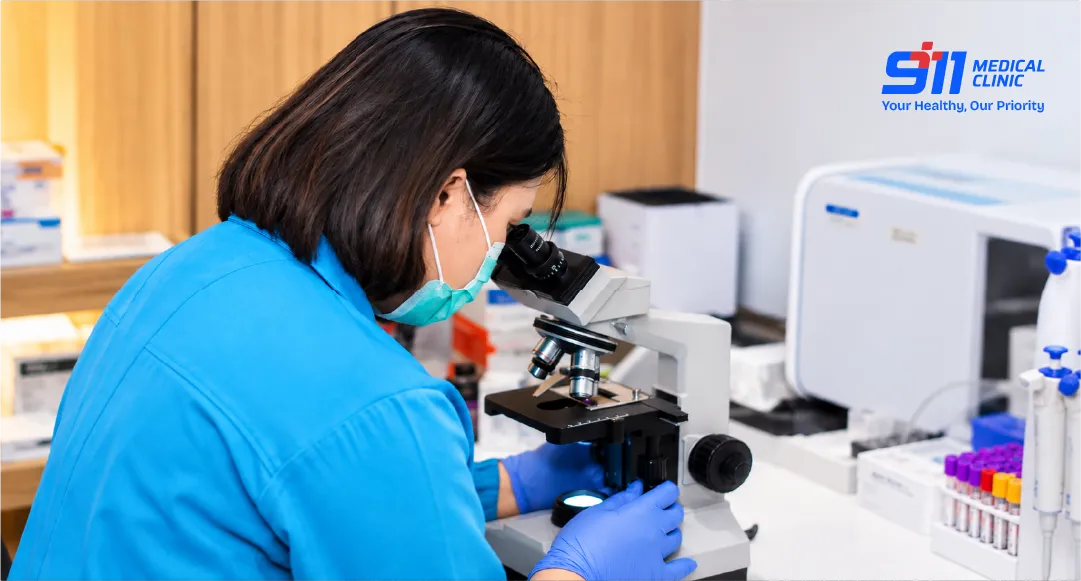
The sample is then analyzed according to the tests requested by the healthcare provider.
Importantly, a laboratory result should not be interpreted in isolation. A doctor may need to consider the result together with symptoms, medical history, physical examination, and other diagnostic information.
What If You Are Feeling Unwell?
A blood test is not a substitute for medical assessment.
If you have symptoms such as persistent fever, unusual weakness, significant dehydration, unexplained bleeding, severe abdominal pain, breathing difficulties, or other concerning symptoms, you should seek medical evaluation.
A doctor can first assess your condition and determine whether laboratory testing is appropriate.
This is particularly important because the right test depends on the clinical question being investigated.
Laboratory Testing in Pecatu
911 Medical Clinic in Pecatu, Bali lists laboratory services as part of its healthcare facilities. Its laboratory room supports blood, urine, and rapid testing, with quick turnaround for emergency diagnostics and access to external accredited laboratory partners when needed.
This can be useful for patients who need medical assessment and laboratory testing in the same healthcare setting.
For people staying in Pecatu, the clinic is located on Bingin Street, Pecatu, Badung, Bali.
If you are unsure whether you need a blood test, a doctor can assess your symptoms first and recommend the appropriate diagnostic approach.
What to Remember Before Your Blood Test
The most important preparation is to follow the instructions provided for your specific test.
Do not assume that you need to fast, stop medication, or change your routine unless you have been instructed to do so.
If you have questions about preparation, ask the healthcare provider before the test so that the sample can be collected under the appropriate conditions.
Need a blood test in Pecatu? 911 Medical Clinic provides doctor consultation and laboratory services to help patients receive appropriate medical assessment and diagnostic testing.
References
Book a Consultation
It’s easy and free!

dr. Veren Febriana Claudya
General practitioner with a strong passion for delivering high-quality, patient-centered care. dr. Veren strives to ensure every patient feels supported, heard, and well-treated.