Understanding “Bali Belly” “Bali Belly” is a common digestive illness that affects many travelers visiting Indonesia. CDC Traveler’s Health reports that traveler’s diarrhea is one of the most frequent illnesses among visitors to Southeast Asia and is typically caused by bacteria, viruses, or parasites found in contaminated food or water. https://wwwnc.cdc.gov/travel/page/travelers-diarrhea Common symptoms include nausea, …


Understanding “Bali Belly”
“Bali Belly” is a common digestive illness that affects many travelers visiting Indonesia. CDC Traveler’s Health reports that traveler’s diarrhea is one of the most frequent illnesses among visitors to Southeast Asia and is typically caused by bacteria, viruses, or parasites found in contaminated food or water. https://wwwnc.cdc.gov/travel/page/travelers-diarrhea
Common symptoms include nausea, stomach cramps, vomiting, and diarrhea — often appearing just hours after eating.
The World Health Organization (WHO) also highlights that contaminated food and water remain major global causes of gastrointestinal infections, especially in regions with different hygiene standards than what travelers are used to. https://www.who.int/news-room/fact-sheets/detail/food-safety
While many cases are mild, the tropical heat in Bali increases the risk of dehydration. That’s why knowing early care steps — and when to seek help at an emergency clinic in Bali — can make a big difference.

Quick Home Care for Mild Symptoms
For mild cases, you can start recovery immediately at home. A review from the Travel Doctor Network notes that oral rehydration is the most effective first step to prevent dehydration during traveler’s diarrhea. https://www.mayoclinic.org/diseases-conditions/travelers-diarrhea/diagnosis-treatment/drc-20352188
Here’s what to do:
- Stay hydrated with bottled water, coconut water, or ORS.
- Choose gentle foods like bananas, rice, toast, and broth.
- Avoid dairy, alcohol, and spicy food which can irritate your stomach.
- Rest for 24 hours to help your body recover.
If symptoms improve, continue monitoring. But if vomiting persists, fever develops, or you feel weak — it’s time to visit an emergency clinic in Bali.
Read More! What You Should Know About Urinary Tract Infections (UTIs)
When to Visit a Doctor
Some travelers wait too long, hoping symptoms fade, but severe Bali Belly can worsen rapidly.
Healthline’s medical review explains that IV fluids, anti-nausea medication, and lab testing are often required when dehydration or infection is present. https://www.healthline.com/health/irritable-bowel-syndrome/travel-constipation
At 911 Medical Clinic Bali, you’ll receive:
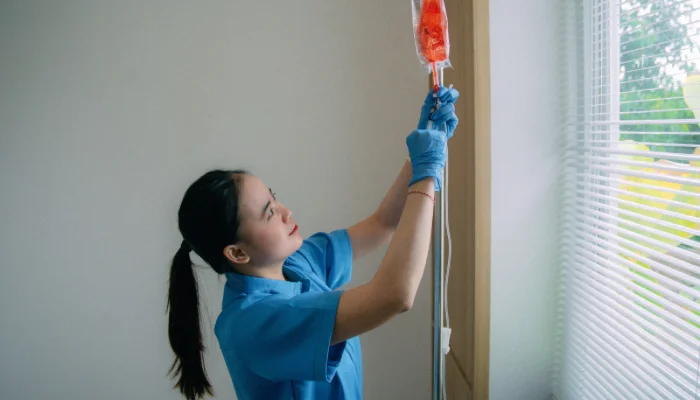
IV Rehydration Therapy
Rapid fluid replacement for moderate to severe dehydration.
Lab Testing
To check whether bacteria, parasites, or viruses are causing the symptoms.
Medication Support
Including anti-spasmodics, anti-diarrheals, and anti-nausea medication.
24/7 Emergency Care
Handled by English-speaking doctors who specialize in traveler and surfing-related emergencies.

Insurance-Friendly Care
Medical costs can be stressful while traveling but we make it easy.
SafetyWing states that most travel insurance programs cover traveler’s diarrhea, acute gastroenteritis, and emergency clinic visits abroad, making claims straightforward for travelers. https://safetywing.com/nomad-insurance
911 Medical Clinic Bali partners with:
- Allianz
- AXA
- SafetyWing
Our team assists with:
- Direct billing
- Claim documentation
- Global insurance support
Why Choose 911 Medical Clinic Bali
Located in Uluwatu, 911 Medical Clinic Bali provides Western-standard care with experienced medical professionals and a multilingual team. We understand that getting sick abroad is stressful which is why we prioritize comfort, clarity, and fast recovery.
Open 24/7 — English-speaking doctors, traveler-friendly care, and same-day treatment available.
Need fast relief? Walk in anytime.